
Living with a Havanese
What day to day actually looks like, coat to bowl to vet visits.
What day to day actually looks like, coat to bowl to vet visits.
The everyday version
That long silky coat looks high-maintenance. In practice, a Havanese is one of the more manageable long-haired breeds if you stay ahead of it.
Weighing a Havanese against another small breed? Read the honest Havanese vs Yorkie comparison on grooming, shedding, and temperament, see how the coat and training compare in the Havanese vs Maltese comparison, or check the grooming routine against a double-coated breed in the Havanese vs Shih Tzu comparison.
Not a puppy yet? The first-time buyer checklist walks through the week before pickup and the first 72 hours home, so this routine doesn't come as a surprise.
Two to three brushing sessions a week keeps a long Havanese coat tangle-free. Many pet owners keep their Havanese in a short "puppy cut" instead, which cuts grooming down to a quick weekly comb-through and a trim every six to eight weeks. Weighing that against a teddy bear cut or a shorter kennel cut? The full haircut and grooming styles guide breaks down what each one costs and how often it needs a groomer.

Havanese are smart, food-motivated, and eager to please, which makes them quick studies for tricks and basic obedience. They don't need miles of running, a springy little dog with big personality, they thrive on interaction more than exercise volume.

A high-quality diet built around real animal protein, sized appropriately for a small breed, supports coat health and steady energy. As toy dogs, Havanese have fast metabolisms as puppies but can gain weight easily as adults if treats aren't kept in check.
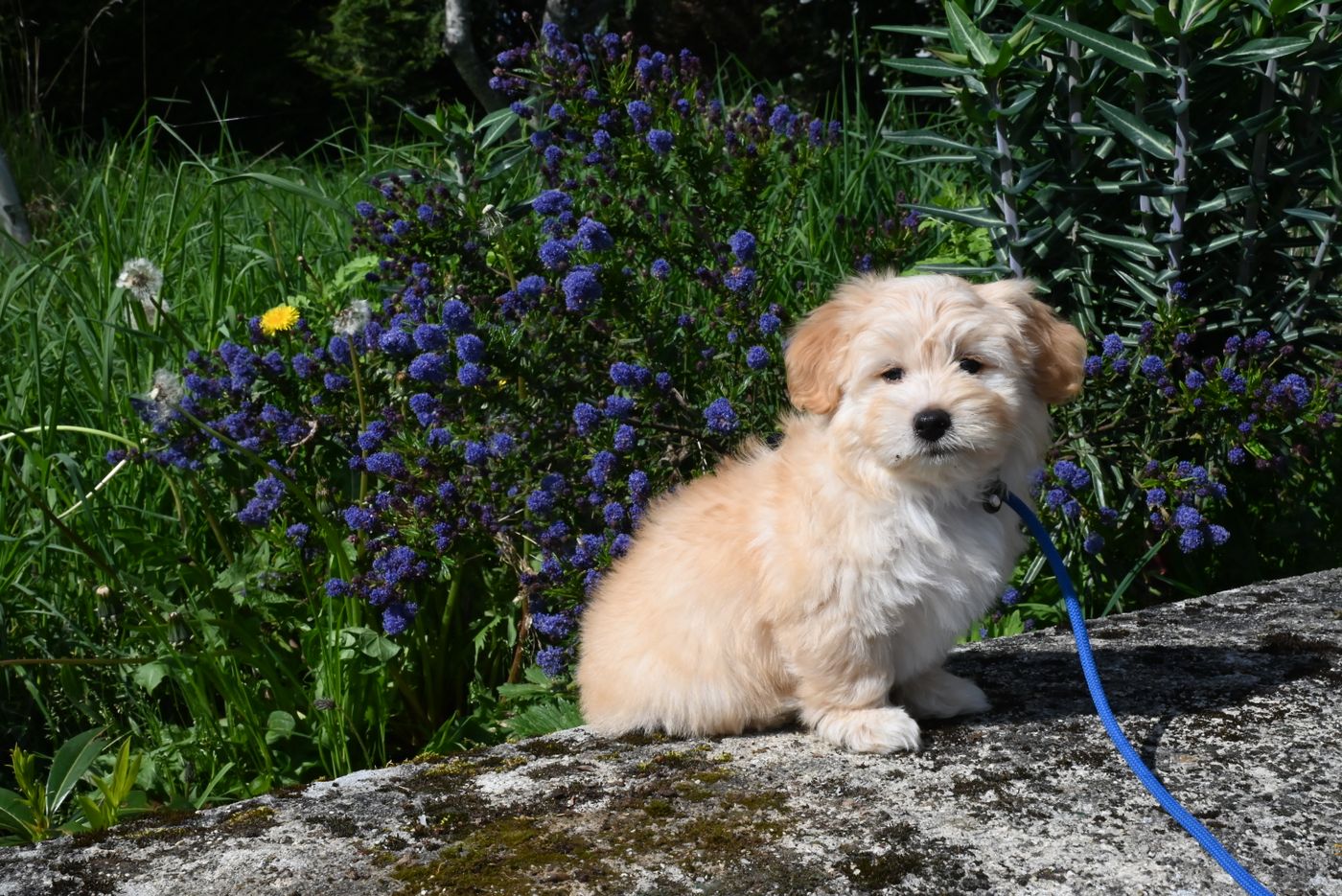
Beyond standard vaccinations and annual exams, ask your vet about periodic patella and eye checks, both areas the breed can be prone to, even if the parents tested clear. Small dogs like the Havanese also benefit from consistent dental care given their tendency toward dental crowding.
Learn what to verify in a Havanese breeder, then a home like yours.
About the breed